Link: http://www.newsweek.com/2010/07/19/the-beauty-advantage.html
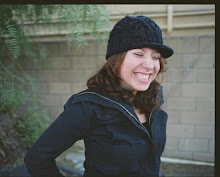
This article intrigued me... women inherently care about their appearance (as do men) but now there is more evidence that women who are more attractive/care about their appearance are more likely to be hired over a less attractive but possibly more qualified woman... it really irks me that even in what is called today's progressive society, such characteristics from the 50's still exist in our present. A woman still seems like she is not held as an important asset for her brain rather than her features. In the article it was stated that "When it comes to women, apparently, flaunting our assets works: 61 percent of managers (the majority of them men) said it would be an advantage for a woman to wear clothing showing off her figure at work." The same goes for men in the workforce, however, I cannot image them feeling the pressure nearly as much as women do simply because men already have the upperhand of being male.
I have definitely felt the pressures of looking attractive versus unattractive at work as well. I noticed that when I wore a dress or wore makeup I got more done/more out of my supervisors/peers rather than if I were to come in wearing a t-shirt and jeans. It seems strange to me because either way I would be doing the same kind of work and it is not like I try harder when I look more attractive one day... I do the same work day in and day out, but my appearance changes how fast I get that stuff done, especially when working with a male in a supervisory role. It is not always an entirely apparent thing... just when I look back I notice it.
But there is also the reality that however hard men have it—and, from an economic perspective, their “beauty premium” is higher, say economists—women will always face a double bind, expected to conform to the beauty standards of the day, yet simultaneously condemned for doing so.
This statement is what really irks me. Women are supposed to uphold these unattainable beauty standards, but then can also be condemned for being beautiful and be labeled as bimbos. It seems so easy to slip in either direction that it is almost impossible for woman to be taken seriously. WHEN will women be praised for their minds rather than their bodies?
EDIT: I will be conducting an experiment this week where I will try harder to care about my appearance and see what kind of a response I receive. This means I will actually have to wear makeup, which I haaaaaaaaaaate doing during the summer months because honestly it's just too uncomfortable, but for the sake of the experiment I will make this sacrifice... today is day 1. Let's see how this plays out.
Wednesday, July 21, 2010

Thursday, July 15, 2010
Update
The project is going well.
I met a fantastic woman this past weekend, Toni Saunders who has become my new hero. She is an activist that strives to improve education for those who are mentally handicapped, something that not many people do nor think about. Photos will come with the next update... I will also be going to visit her on the Cape later this summer to spend more time with her and getting to know her more on a personal level... part of what I really love about this project is that I'm getting to know all these women and am forming friendships with them. There is a lot that I'm taking from each woman because they are all so powerful, independent and inspiring even though they are all so very different.
I'm off to DC to spend some time with my twin sister, Lisa and to also continue photographing her. She seems to be ultra aware of the camera being present so hopefully my coming to DC and photographing her for a whole weekend will make her forget that the camera is there and she will let her guard down. This is a technique I learned from reading Annie Leibovitz's At Work book. When she was on tour with the Rolling Stones, at first they were ultra aware of the camera but as time passed, they grew to be more comfortable with Annie being there as well as the camera snapping photos.
I will also have a photo shoot with my friend Kelly the week after. She is a regular participant in the Rocky Horror Picture Show in Harvard Square as well as a producer. That photo shoot will be interesting as well. We're photographing her as the before and after Janet.
That is all for now... I'm DC bound!
I met a fantastic woman this past weekend, Toni Saunders who has become my new hero. She is an activist that strives to improve education for those who are mentally handicapped, something that not many people do nor think about. Photos will come with the next update... I will also be going to visit her on the Cape later this summer to spend more time with her and getting to know her more on a personal level... part of what I really love about this project is that I'm getting to know all these women and am forming friendships with them. There is a lot that I'm taking from each woman because they are all so powerful, independent and inspiring even though they are all so very different.
I'm off to DC to spend some time with my twin sister, Lisa and to also continue photographing her. She seems to be ultra aware of the camera being present so hopefully my coming to DC and photographing her for a whole weekend will make her forget that the camera is there and she will let her guard down. This is a technique I learned from reading Annie Leibovitz's At Work book. When she was on tour with the Rolling Stones, at first they were ultra aware of the camera but as time passed, they grew to be more comfortable with Annie being there as well as the camera snapping photos.
I will also have a photo shoot with my friend Kelly the week after. She is a regular participant in the Rocky Horror Picture Show in Harvard Square as well as a producer. That photo shoot will be interesting as well. We're photographing her as the before and after Janet.
That is all for now... I'm DC bound!
Tuesday, June 29, 2010
Inspiration
So my sister came up to visit in Boston recently and we did one of what I believe will be a number of shoots. The idea was to create a mirror like depiction between the two of us and this is the closest we came:
Although this was a fun shoot and the photo is really great, it does not possess enough depth for my project... and neither do any of the other photos we took that day... That's okay though because with this experience I am closer to what I am looking for.
I spent this past weekend in New York City going to art museums, something I'm trying to do more regularly to educate myself on art/photography as well as find inspiration in other artists' works. I saw Picasso's Girl Before A Mirror at the MoMA and immediately realized that the photos of Lisa and I don't have the depth of Picasso's painting which is below:
 His painting shows a friction between the two women which is what I need to find/create in my images of Lisa and I. I need to create that push/pull effect that makes us who we are. Basically, I need to put myself further out on a limb.
Diane Arbus's photo of the twins below create this distinct tension. You automatically know they are twins, but it is their expressions that really make this photo. This photo is memorable because of it's haunting nature... the expressions of these twins make us wonder what is it that makes one of them smile and the other frown? What makes them different? This the ultimate question that I as a twin hear all the time...

The photo has been said to sum up Arbus’ vision. Biographer Patricia Bosworth said, "She was involved in the question of identity. Who am I and who are you? The twin image expresses the crux of that vision: normality in freakishness and the freakishness in normality."
It's interesting to me to find the above quote because I guess in a way I'm asking the same question and I had no idea that Diane Arbus's work was questioning identity at all... I always thought of her as the photographer who finds the freaks in society and shoots them... but now it's just another artist to look into.
I've been talking to my mentor Chris about the images over email and he asked:
So, what have you and she actually experienced about this issue of being twins?
Have you ever actually spent time, spontaneously as children, trying to understand the differences?
Was there an experience of doubt, or of complete blending?
Using your imagination to create from those kinds of lived moments would be the place to start..
I responded back with:
I'm not sure what she has experienced... we never seemed to really
talk about our twinship really before. All I know is what I have
experienced and that is feeling tension, competition and doubt. I
always felt like I lived in the shadow of my sister because I never
felt good enough. It's probably why I deviated so much from her and
chose to be more of an individual because the twin thing was actually
emotionally wrecking me. Rather than have a close relationship, I felt
like my mother turned us against each other, using a kind of divide
and conquer method with us so that we couldn't keep developing our
close relationship with each other. There has always been a sense of
longing for a relationship like that for me at least... I deal with it
every day and search for a replacement for it almost... that may be
why I'm trying to reconnect with her now. I felt like we completely
became the same person for a long while, but that was because my own desires were invalidated or repressed because my mother was a single
mom trying to give us much to us as she could. So she threw us into
the same activities all the time and I felt lesser than my sister.
I've had this jealousy for the majority of my life... yet a desire to
rise above the jealousy and to have that closeness with her is
something I desire more than anything else. I have no idea how to
depict this insecurity, because really all that I just wrote describes
my side of the relationship with her. I feel like I'm having a really
hard time putting my thoughts and feelings into images...
This is the type of push/pull I am looking to further in my images... I also seem to overthink my process to much and do not let the work flow... I'm thinking too much about what is the right thing to do in my photos when there is no real right or wrong answer... just that I should be able to back up my work...
Chris responded to me with:
The right thing is most likely to be the approved or familiar thing and it may be time to let that go and venture into simply doing Kat.
As for what to do... well, as we've been writing today,
I've seen images emerging,
becoming more complex with "mother-like" forms
rising and dissolving
between two like but unlike souls
who had a time that was theirs,
in a room usually reserved for privacy,
but had that time taken away......
and now are striving for reunion
but not as a One anymore...
It's time for dreamtime and doing Kat....
It's time to let go of my inhibitions and limitations...

Although this was a fun shoot and the photo is really great, it does not possess enough depth for my project... and neither do any of the other photos we took that day... That's okay though because with this experience I am closer to what I am looking for.
I spent this past weekend in New York City going to art museums, something I'm trying to do more regularly to educate myself on art/photography as well as find inspiration in other artists' works. I saw Picasso's Girl Before A Mirror at the MoMA and immediately realized that the photos of Lisa and I don't have the depth of Picasso's painting which is below:
 His painting shows a friction between the two women which is what I need to find/create in my images of Lisa and I. I need to create that push/pull effect that makes us who we are. Basically, I need to put myself further out on a limb.
Diane Arbus's photo of the twins below create this distinct tension. You automatically know they are twins, but it is their expressions that really make this photo. This photo is memorable because of it's haunting nature... the expressions of these twins make us wonder what is it that makes one of them smile and the other frown? What makes them different? This the ultimate question that I as a twin hear all the time...

The photo has been said to sum up Arbus’ vision. Biographer Patricia Bosworth said, "She was involved in the question of identity. Who am I and who are you? The twin image expresses the crux of that vision: normality in freakishness and the freakishness in normality."
It's interesting to me to find the above quote because I guess in a way I'm asking the same question and I had no idea that Diane Arbus's work was questioning identity at all... I always thought of her as the photographer who finds the freaks in society and shoots them... but now it's just another artist to look into.
I've been talking to my mentor Chris about the images over email and he asked:
So, what have you and she actually experienced about this issue of being twins?
Have you ever actually spent time, spontaneously as children, trying to understand the differences?
Was there an experience of doubt, or of complete blending?
Using your imagination to create from those kinds of lived moments would be the place to start..
I responded back with:
I'm not sure what she has experienced... we never seemed to really
talk about our twinship really before. All I know is what I have
experienced and that is feeling tension, competition and doubt. I
always felt like I lived in the shadow of my sister because I never
felt good enough. It's probably why I deviated so much from her and
chose to be more of an individual because the twin thing was actually
emotionally wrecking me. Rather than have a close relationship, I felt
like my mother turned us against each other, using a kind of divide
and conquer method with us so that we couldn't keep developing our
close relationship with each other. There has always been a sense of
longing for a relationship like that for me at least... I deal with it
every day and search for a replacement for it almost... that may be
why I'm trying to reconnect with her now. I felt like we completely
became the same person for a long while, but that was because my own desires were invalidated or repressed because my mother was a single
mom trying to give us much to us as she could. So she threw us into
the same activities all the time and I felt lesser than my sister.
I've had this jealousy for the majority of my life... yet a desire to
rise above the jealousy and to have that closeness with her is
something I desire more than anything else. I have no idea how to
depict this insecurity, because really all that I just wrote describes
my side of the relationship with her. I feel like I'm having a really
hard time putting my thoughts and feelings into images...
This is the type of push/pull I am looking to further in my images... I also seem to overthink my process to much and do not let the work flow... I'm thinking too much about what is the right thing to do in my photos when there is no real right or wrong answer... just that I should be able to back up my work...
Chris responded to me with:
The right thing is most likely to be the approved or familiar thing and it may be time to let that go and venture into simply doing Kat.
As for what to do... well, as we've been writing today,
I've seen images emerging,
becoming more complex with "mother-like" forms
rising and dissolving
between two like but unlike souls
who had a time that was theirs,
in a room usually reserved for privacy,
but had that time taken away......
and now are striving for reunion
but not as a One anymore...
It's time for dreamtime and doing Kat....
It's time to let go of my inhibitions and limitations...
Wednesday, June 16, 2010
Interesting article on African American women/Thoughts on Strong Women in Today's Society
This is kind of related to my project... just seems like black women are stereotyped as just simply being loud and obese.
http://articles.latimes.com/2010/jun/01/local/la-me-banks-20100601
The above article was written in response to this article (both written by the same person):
http://www.latimes.com/news/local/la-me-banks-20100529%2C0%2C6938498.column
"...found that black women's fealty to black men has helped create an imbalance that penalizes them. And that a combination of forces — online social networks, integrated neighborhoods and workplace diversity — are tempting them to look elsewhere for partnership."
The author of this article is a single middle-aged black woman and also faces the same types of issues. This intrigues me a little... what is the real cause for these women to look for partnership outside their race? Is that these women have been taught to be strong, opinionated women and their former prospective partners just can't seem to handle these types of strong personalities? Is it because women, and in this case in particular, that black women have become stronger figures and society and have surpassed their male counterparts?
It seems to me that more and more each day, I notice strong women are without male partnership. This became especially apparent to me while I was watching the Oscars this past year. This was the first time that a female director won the Best Director award. Kathryn Bigelow won for the The Hurt Locker (which this film in and of itself surprised me that a female directed it and could really get to the heart of male camaraderie in the army). When they were announcing the nominees at the award ceremony, each male nominated had a female partner on their arm, but Kathryn stood out to me not only for being the only female nominated, but also for not having a date to the Oscars (she was also previously married to one of the other nominees for the same category). It's not like I felt bad for her. It felt more empowering than anything else. She didn't seem to need to prove anything to anyone. She is who she is and on top of that is highly successful with her career.
There are very few well known female directors in the film industry. Only three women have been nominated for the Best Director award in the past. Bigelow won the Oscar over such highly acclaimed directors such as James Cameron (for Avatar) and Quentin Tarantino (for Inglorious Bastards). I don't believe I ever even heard of Kathryn Bigelow until the ceremony. Just seems to me that whenever there are strong women receiving some of the spotlight in any industry, workplace, social event, etc that some are quick to judge/try to suppress these women for their vibrant independence.
In the second article posted at the top of this entry gives a direct example of how women are being suppressed for having a voice:
Darryl James is a black author and radio host who sponsors forums on "black love." Discussions are sometimes so heated that he reminds people on the invitations to be civil.
He contends that it's not so much a lack of "good black men," but changing social patterns that have made it harder for black people in their 30s and 40s to partner up. And the mainstream attention, he says, just makes the problem worse: "All this whining on 'Oprah' demoralizes black men and makes the women look angry and desperate."
James was the sponsor of the forum at the L.A. Athletic Club last year. And his advice to the women there made a certain kind of sense.
"Turn the volume down," he said. "Lose the attitude."
I think it is the easy way out to say that women look angry and desperate and whiny for stating that there is a lack of good men in today's society. Isn't it possible, that maybe it is actually true? Maybe there are less partners to pair up with... maybe women are just more vocal about their frustrations than men are and then automatically classified as being angry.It surprises me that the female writer of this article seems to agree to a certain extent about women having to turn down the volume. There never seems to be any real good way of getting this point across because every time a woman starts mentioning it, people roll their eyes and tell them to shut up. It seems that as women gain more power in society, men feel more and more demoralized and threatened, and thus resort to stating women are angry and desperate for saying they cannot find male counterparts.
I spoke to a male friend about my findings and he stated that in order for women to find male partners, women should lower their standards of men. But why should we? If we're so strong, we're looking for men who are just as strong if not stronger because that is how society has programmed women to look for a male partner. I personally want to find someone as strong as I am to have someone to keep up with and the same for them to be able to keep up with me. But should we settle for anything less than what we want? If men cannot be happy with successful women, why should women pretend to be happy with men who do not meet their needs or standards, or even worse, why should women dumb themselves down to look like a more pleasing candidate for dating? This seems like a lose-lose situation, however, I am not entirely sure how it could ever change unless we deprogram ourselves and stop feeling threatened by someone's success or guilty for being successful.
http://articles.latimes.com/2010/jun/01/local/la-me-banks-20100601
The above article was written in response to this article (both written by the same person):
http://www.latimes.com/news/local/la-me-banks-20100529%2C0%2C6938498.column
"...found that black women's fealty to black men has helped create an imbalance that penalizes them. And that a combination of forces — online social networks, integrated neighborhoods and workplace diversity — are tempting them to look elsewhere for partnership."
The author of this article is a single middle-aged black woman and also faces the same types of issues. This intrigues me a little... what is the real cause for these women to look for partnership outside their race? Is that these women have been taught to be strong, opinionated women and their former prospective partners just can't seem to handle these types of strong personalities? Is it because women, and in this case in particular, that black women have become stronger figures and society and have surpassed their male counterparts?
It seems to me that more and more each day, I notice strong women are without male partnership. This became especially apparent to me while I was watching the Oscars this past year. This was the first time that a female director won the Best Director award. Kathryn Bigelow won for the The Hurt Locker (which this film in and of itself surprised me that a female directed it and could really get to the heart of male camaraderie in the army). When they were announcing the nominees at the award ceremony, each male nominated had a female partner on their arm, but Kathryn stood out to me not only for being the only female nominated, but also for not having a date to the Oscars (she was also previously married to one of the other nominees for the same category). It's not like I felt bad for her. It felt more empowering than anything else. She didn't seem to need to prove anything to anyone. She is who she is and on top of that is highly successful with her career.
There are very few well known female directors in the film industry. Only three women have been nominated for the Best Director award in the past. Bigelow won the Oscar over such highly acclaimed directors such as James Cameron (for Avatar) and Quentin Tarantino (for Inglorious Bastards). I don't believe I ever even heard of Kathryn Bigelow until the ceremony. Just seems to me that whenever there are strong women receiving some of the spotlight in any industry, workplace, social event, etc that some are quick to judge/try to suppress these women for their vibrant independence.
In the second article posted at the top of this entry gives a direct example of how women are being suppressed for having a voice:
Darryl James is a black author and radio host who sponsors forums on "black love." Discussions are sometimes so heated that he reminds people on the invitations to be civil.
He contends that it's not so much a lack of "good black men," but changing social patterns that have made it harder for black people in their 30s and 40s to partner up. And the mainstream attention, he says, just makes the problem worse: "All this whining on 'Oprah' demoralizes black men and makes the women look angry and desperate."
James was the sponsor of the forum at the L.A. Athletic Club last year. And his advice to the women there made a certain kind of sense.
"Turn the volume down," he said. "Lose the attitude."
I think it is the easy way out to say that women look angry and desperate and whiny for stating that there is a lack of good men in today's society. Isn't it possible, that maybe it is actually true? Maybe there are less partners to pair up with... maybe women are just more vocal about their frustrations than men are and then automatically classified as being angry.It surprises me that the female writer of this article seems to agree to a certain extent about women having to turn down the volume. There never seems to be any real good way of getting this point across because every time a woman starts mentioning it, people roll their eyes and tell them to shut up. It seems that as women gain more power in society, men feel more and more demoralized and threatened, and thus resort to stating women are angry and desperate for saying they cannot find male counterparts.
I spoke to a male friend about my findings and he stated that in order for women to find male partners, women should lower their standards of men. But why should we? If we're so strong, we're looking for men who are just as strong if not stronger because that is how society has programmed women to look for a male partner. I personally want to find someone as strong as I am to have someone to keep up with and the same for them to be able to keep up with me. But should we settle for anything less than what we want? If men cannot be happy with successful women, why should women pretend to be happy with men who do not meet their needs or standards, or even worse, why should women dumb themselves down to look like a more pleasing candidate for dating? This seems like a lose-lose situation, however, I am not entirely sure how it could ever change unless we deprogram ourselves and stop feeling threatened by someone's success or guilty for being successful.
Tuesday, June 15, 2010
A Woman’s Worth is Measured by Her Cup Size: The Gender Policing of Delphine Ravisé-Giard
This is an interesting article written by a good friend of mine... it begins the exploration of how women are measured/perceived and I feel like this has a direct correlation to what my project is about... give it a read!
http://genderacrossborders.com/2010/06/15/a-womans-worth-is-measured-by-her-cup-size-the-gender-policing-of-delphine-ravise-giard/
http://genderacrossborders.com/2010/06/15/a-womans-worth-is-measured-by-her-cup-size-the-gender-policing-of-delphine-ravise-giard/
Sunday, June 13, 2010
A good friend/journalist/subject for the project gave me an interesting suggestion:
There's an exercise we used to do in the Female Sexuality workshop I facilitated where we would have two people sit across from each other, and the first would ask "Who are you?" repeatedly to the second for 1-2 minutes, and the second person would have to come up with original answers each time. After the obvious "I am a sister," "I am a woman," etc., some strange things would come out (i.e. "I am terrified of my next step in my life.")
I'm really excited to use this exercise on my subjects. I will be interviewing 2 people this Saturday, both my sister and a therapist and will try to this exercise on both of them and see what I come up with.
She also suggested talking to my subjects to give them a general idea of what I am looking for and what kinds of questions I am asking, which I've been doing generally but I will go a little further in depth with it before meeting with them.
There's an exercise we used to do in the Female Sexuality workshop I facilitated where we would have two people sit across from each other, and the first would ask "Who are you?" repeatedly to the second for 1-2 minutes, and the second person would have to come up with original answers each time. After the obvious "I am a sister," "I am a woman," etc., some strange things would come out (i.e. "I am terrified of my next step in my life.")
I'm really excited to use this exercise on my subjects. I will be interviewing 2 people this Saturday, both my sister and a therapist and will try to this exercise on both of them and see what I come up with.
She also suggested talking to my subjects to give them a general idea of what I am looking for and what kinds of questions I am asking, which I've been doing generally but I will go a little further in depth with it before meeting with them.
Tuesday, June 8, 2010
Interview Questions
So a friend of mine asked me to post my interview questions here... I would definitely love feedback from anyone who has a moment to give and thinks that I'm missing anything vital? These are pretty basic. Depending on each woman the questions will slightly change.
What does identity mean to you?
How do you identify yourself?
What does it mean to you to be a woman in today's society?
How do you believe women are perceived in today's society? How are you specifically perceived?
What childhood experiences can you recall that have contributed to your identity today?
Do you have any siblings? How would you identify them? How have they contributed to your identity?
How has your family contributed to your identity?
The problem I am finding with these questions is that they seem to be trying to be gathering data rather than getting to the heart of subject. A photographer friend/mentor has been giving me advice on how to make the questions more personal. He stated in an email:
I totally agree with him and want to probe further at my subjects to get underneath the skin and get a more emotional response. I'm rethinking questions such as these:
When you woke up today, did you feel different from when you woke up yesterday?
How are you different today than you were from a month ago? a year ago? 5 years ago?
What types of things/situations/experiences cause you to innately smile?
Other than rethinking my questions, my project is continuing to move along. I will be interviewing a psychologist this weekend to get a more formal idea of identity. I'm excited to see what this interview could add to this project.
I'm continuing to find women who seem to be interested in being involved in the project, which I was not expecting and am very excited to see these subjects' innate identities come out to speak to me.
What does identity mean to you?
How do you identify yourself?
What does it mean to you to be a woman in today's society?
How do you believe women are perceived in today's society? How are you specifically perceived?
What childhood experiences can you recall that have contributed to your identity today?
Do you have any siblings? How would you identify them? How have they contributed to your identity?
How has your family contributed to your identity?
The problem I am finding with these questions is that they seem to be trying to be gathering data rather than getting to the heart of subject. A photographer friend/mentor has been giving me advice on how to make the questions more personal. He stated in an email:
If you then asked me to filter out the obvious ways that I am both different and the same: I'm older today than yesterday and I have the same name as before- I would then have to probe myself to consider how to explain the fact that I don't really know who I am in the first place so it's hard to state clearly how I'm both the same and different.
See what I mean? The more you play into people's expectations regarding questions like this, the more you allow them to stay in a comfort zone and your answers will remain information rather than insights.
I totally agree with him and want to probe further at my subjects to get underneath the skin and get a more emotional response. I'm rethinking questions such as these:
When you woke up today, did you feel different from when you woke up yesterday?
How are you different today than you were from a month ago? a year ago? 5 years ago?
What types of things/situations/experiences cause you to innately smile?
Other than rethinking my questions, my project is continuing to move along. I will be interviewing a psychologist this weekend to get a more formal idea of identity. I'm excited to see what this interview could add to this project.
I'm continuing to find women who seem to be interested in being involved in the project, which I was not expecting and am very excited to see these subjects' innate identities come out to speak to me.
Subscribe to:
Posts (Atom)